Bank of England picks four animals for a banknote series redesigned against forgery
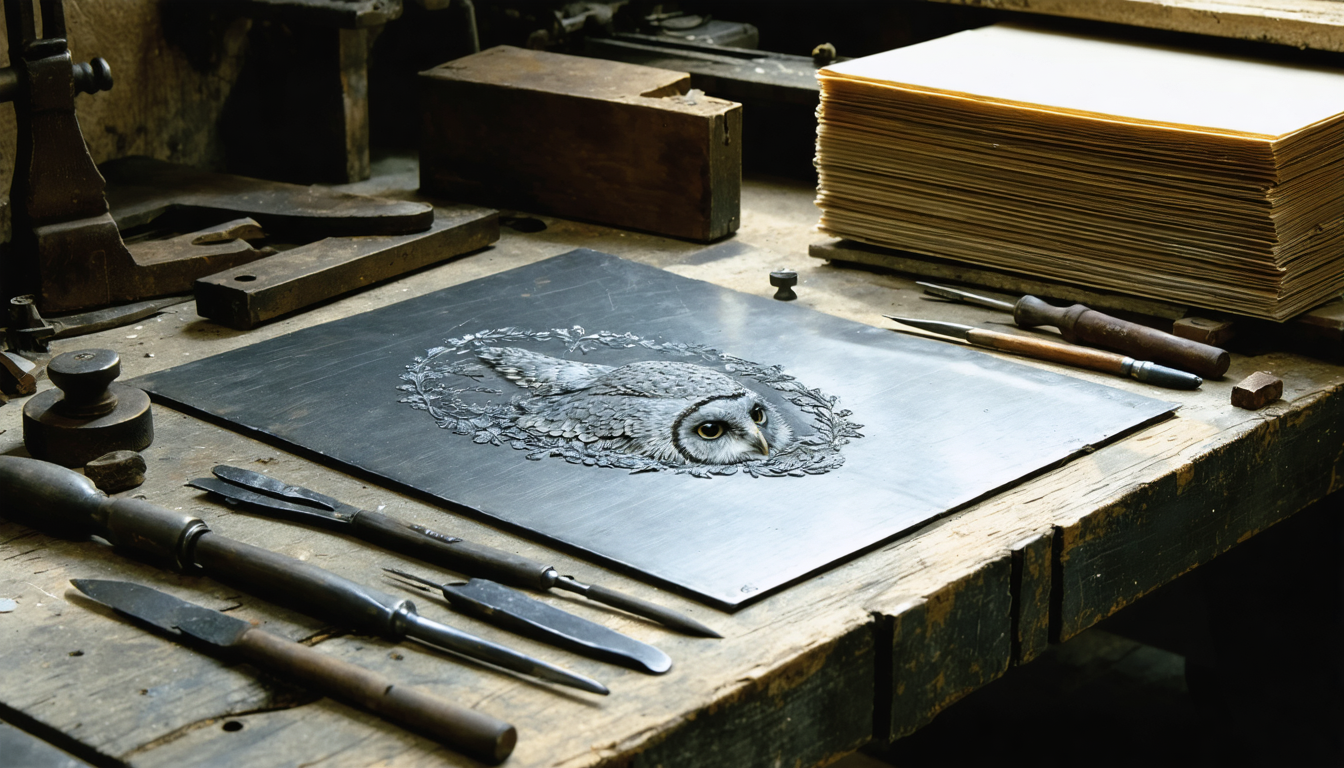
Bank of England has chosen the Atlantic puffin, barn owl, buff-tailed bumblebee and European hedgehog for its redesigned £5 to £50 notes. With design, testing and printing expected to take years, businesses that handle cash have a series to expect and a long wait for its specification.
The Board Room · Leadership desk
What happened
- The Bank has not yet decided which of the four animals will be the central image on which denomination.
- Incoming chief cashier Rhys Phillips, who will run the roll-out, said design, testing and printing could take years, with designs unveiled closer to launch.
- The plan to drop historical figures drew a political backlash in March, and the Bank published its 18-animal shortlist in June.
- More than 2.5 million votes were cast by 478,531 people, each allowed to pick up to six animals from the shortlist.
- The new series will be the first since 1970 in which the reverse of Bank of England notes does without a figure from history.
Why it matters
- What it limits constraint Cash handlers will see the new design and its security features only near launch, so equipment testing and staff training must fit a notice period the Bank has not yet set out.
- Who has to decide decision This quarter's sensible call is to hold spending: with design alone expected to take several years, buying for new notes now would mean buying against a specification at a very early stage.
- What it sets up precedent Tying the redesign to counterfeiting puts every current image on a path to replacement, so the political fight over Churchill can shape the theme but not whether new notes arrive.
Next story · Invest · 4h ago
G7 approves AI cyberattack drills for ministries and central banks, with private firms possibleConfirmed2 publishers
For a business that counts cash, the Bank has now committed to one thing: a full replacement series built around security. The Bank said the change was primarily to stop counterfeiting, so every image on its notes needed replacing over time [4]. Victoria Cleland, the chief cashier, said: "We have chosen four distinct and inspiring animals that not only showcase the great variety of wildlife we have in the UK but will also enhance the security of our banknotes." [5] Phillips described the next stage in the same terms. "We'll now work to design, test and produce the banknotes, combining the imagery we've announced today with cutting-edge security features and materials science," he said [7].
The loudest objection has been to the subject matter. Conservative leader Kemi Badenoch called the move "a silly thing to do" [12], and Reform UK leader Nigel Farage called it "absolutely crackers" [13]. The counterfeiting case explains why every image has to change. It does not, on its own, explain the wildlife. That came from a consultation that settled on wild animals as the theme before the public chose from 18 options in three categories [15].
The Bank is also presenting the vote as evidence about cash. Cleland said: "I am delighted that nearly half-a-million people responded to our wildlife imagery consultation, showing that cash still matters." [16] Respondents cast more than five votes each on average [22]. The buff-tailed bumblebee drew 360,399 votes [18], equal to about 75 per cent of the people who took part [21].
One design statement bears directly on staff who sort notes at speed. The puffin made the four as the most popular marine animal, though the red fox and the common kingfisher drew more nominations [10]. The Bank said its inclusion made the denominations easier to distinguish [11]. Phillips said the Bank had to make sure the notes were high-quality, resilient and accessible [8].
The reports do not say what the security features will be, when the Churchill, Austen, Turner and Turing notes now in circulation [20] stop being issued, or how much notice businesses will get. In my view that makes this a budget line for a later year. The Guardian reported that the notes are expected to take several years to design [17]. The sequence Phillips described also means the security specification will reach cash handlers late, because the designs are to be unveiled only as launch approaches [6].
What to watch
- The Bank's allocation of each animal to a denomination, and the first published designs Phillips said would come closer to launch.
- Any Bank statement on an issue date, or on how long the Churchill, Austen, Turner and Turing notes stay in issue.
- Detail on the security features and materials science Phillips said will be combined with the animal imagery.
Clarity's read
What the record supports and how the coverage leans. The claims behind it follow.
Reality
- Evidence72
- Adoption
- Not scored
- Hype gap+10
- Incentives30
- Confidence75
Claim ledger
Ranked by verification strength, evidence, and original report placement.
- [1]
The Bank of England revealed that the Atlantic puffin, barn owl, buff-tailed bumblebee and European hedgehog will appear on its redesigned banknotes.
- [2]
No decision has been made about which animal will be shown on which banknote.
- [3]
Each animal will be the central image of a £5, £10, £20 or £50 note, and the monarch will still feature on the other side.
- [4]
The Bank said the move was primarily to stop counterfeiting, so all images needed to be replaced on banknotes over time.
- [5]
"We have chosen four distinct and inspiring animals that not only showcase the great variety of wildlife we have in the UK but will also enhance the security of our banknotes," said Victoria Cleland, the Bank's chief cashier.
- [6]
Rhys Phillips, the Bank's incoming chief cashier who will be responsible for the roll-out, said designing, testing and printing banknotes could take years; the designs are in very early stages and will be unveiled closer to their launch.
- [7]
"We'll now work to design, test and produce the banknotes, combining the imagery we've announced today with cutting-edge security features and materials science," Phillips said.
- [8]
Phillips said the Bank needed to make sure the notes were high-quality, resilient and accessible.
- [9]
More than 2.5 million votes were cast by 478,531 people choosing from a shortlist of 18 animals; respondents could select up to six.
- [10]
The red fox and the common kingfisher received more nominations than the Atlantic puffin, which was selected because it was the most popular marine animal.
- [11]
The Bank said the puffin's inclusion added variety to the series and made the denominations easier to distinguish.
- [12]
Conservative leader Kemi Badenoch called the move "a silly thing to do".
- [13]
Reform UK leader Nigel Farage described the move as "absolutely crackers".
- [14]
The decision to replace historical figures prompted a backlash when first announced in March; the Bank published its 18-strong shortlist of animals in June.
- [15]
The animals were selected after a large-scale consultation settled on wild animals as the theme, with the public then asked to pick favourites from 18 options in three categories.
- [16]
Cleland said: "I am delighted that nearly half-a-million people responded to our wildlife imagery consultation, showing that cash still matters."
- [17]
The £5, £10, £20 and £50 notes are expected to take several years to design.
- [18]
The buff-tailed bumblebee received 360,399 votes, nearly 90,000 more than the barn owl.
- [19]
It will be the first time since 1970 that the reverse side of Bank of England notes will not feature notable figures from history.
- [20]
Notes currently circulating feature, in ascending order of value, Winston Churchill, Jane Austen, JMW Turner and Alan Turing.
- [21]
The bumblebee's 360,399 votes equal about 75 per cent of the 478,531 people who took part.
- [22]
Respondents cast more than five votes each on average, out of a maximum of six.
Sources
2 independent publishers whose own reporting we read for this story.
- bbc.co.ukHedgehog among four chosen animals to feature on your new banknotes
3 articles · October 7, 2026
- theguardian.comNext UK banknotes to feature barn owls, bumblebees, puffins and hedgehogs
1 article · October 7, 2026
Topics and entities
Topics
- Anti-counterfeiting
Entities
- Victoria Cleland
- Bank of England
- Nigel Farage
- Kemi Badenoch