Apple builds its OpenAI injunction case on one laptop produced weeks late
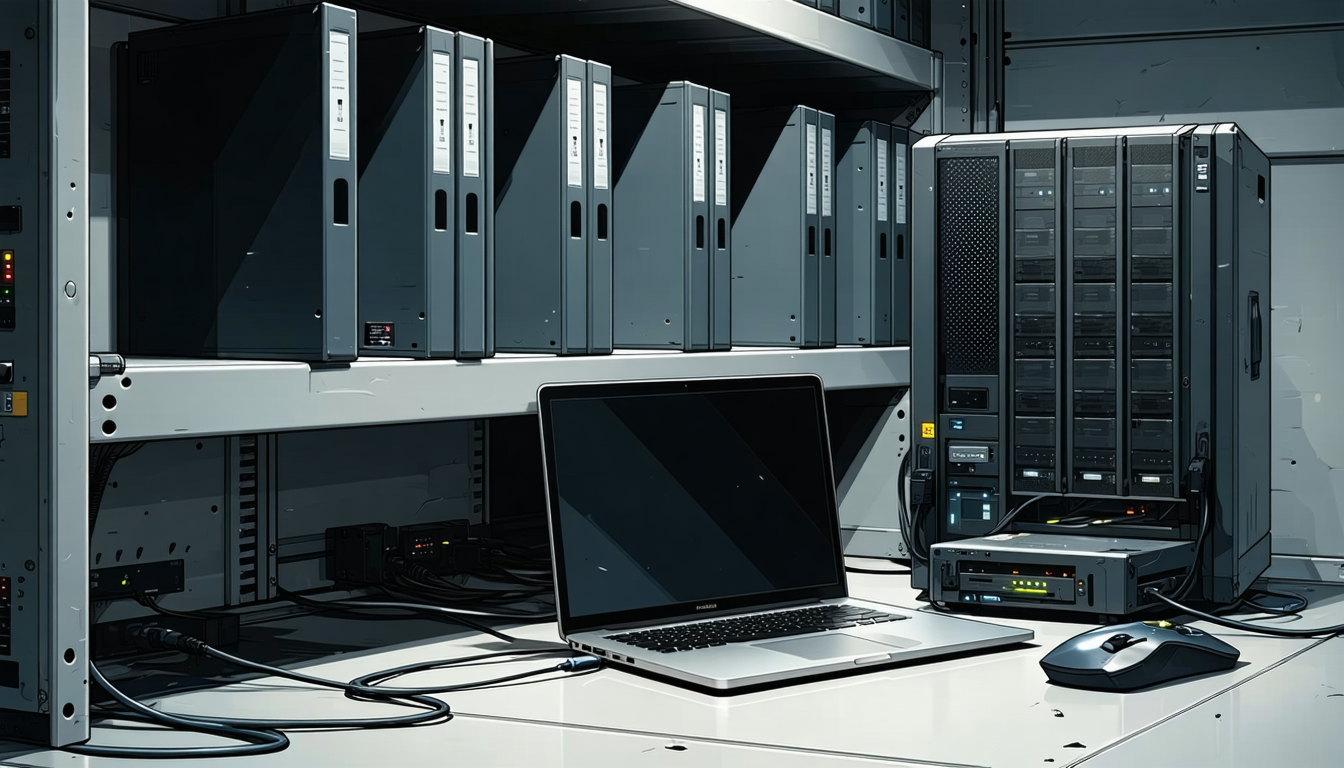
Forensics on an Apple-issued MacBook that Chang Liu kept using after January let Apple argue destruction of evidence rather than definition of secrets, days before a judge weighs blocking OpenAI's hardware work.
The Investor · Invest desk
What happened
- Apple's Monday brief, filed to support its bid for expedited pretrial fact-finding, rests on a forensic analysis of an Apple-issued MacBook that engineer Chang Liu had been using since he left the company in January.
- Apple says Liu incorporated a proprietary Apple circuit schematic into his work after joining OpenAI, and that OpenAI has been destroying evidence in the dispute.
- According to the filing, once Liu learned Apple was investigating him he directed OpenAI colleague Yu-Ting Peng in June to destroy evidence, and Peng agreed to do so.
- OpenAI filed its own brief the same day, calling the case a mess of Apple's own making and saying Liu opened the files on behalf of Apple employees for Apple work purposes.
Why it matters
- Who has to decide decision OpenAI now has to weigh fighting the deletion allegation on its merits against accepting a tightly scoped injunction, since the narrower the order, the less reason a court has to keep opening up its files.
- Who's exposed exposure An individual employee is now named in a filing over conduct inside OpenAI, which means the risk of how a departing colleague's leftover access was handled lands on people, not only on the corporate defendant.
- What it sets up precedent Anyone recruiting out of a rival's silicon group should assume the leaver's old machine, cloud credentials and even internal tool names become exhibits, which turns provenance documentation into a cost of hiring.
- What doesn't add up contradiction Ventureburn's telling has the schematics taken before the engineer left, while Apple's own filing turns on access that continued afterward, and which version holds decides whether the negligence sits with the hirer or the former employer.
Next story · Product · 2d ago
OpenAI faces a "highly likely" injunction in Apple's trade secrets caseConfirmed4 publishers
A spoliation allegation is expensive in a different currency from the rest of this case. The cheapest defense OpenAI has filed is the motion to dismiss from earlier this month, arguing Apple failed to describe the trade secrets it claims or to show it owns protectable intellectual property [13], and that argument gets decided on the papers by a judge reading definitions. Conduct allegations get decided on credibility instead, which is why Apple's lawyers wrote that the laptop shows the company is "not conducting 'fishing expeditions'" but that its trade secrets are being used and evidence destroyed [8]. That sentence is drafted for a judge rationing discovery, not for a headline.
The ratios are the real argument here. Apple's complaint names two individuals, Liu and Chief Hardware Officer Tang Yew Tan [11], out of the more than 400 former Apple employees it says now work at OpenAI [12], which puts the named defendants at half of one percent of that population [18]. The single Apple-issued MacBook at the center of Monday's brief sat outside Apple's control from Liu's January departure to the July complaint, at least six months [19], and then took weeks of delay to produce [6]. Expedited fact-finding is Apple's request that the other 99.5 percent not be discovered at that rate; from the July complaint to the Oct. 1 hearing is roughly three months [20], which is quick for a trade-secret case and only useful if production accelerates.
OpenAI is now spending brief pages on something else entirely. Beyond the definitional argument, it is litigating Apple's own housekeeping: its Monday filing says any documents Liu opened were opened on behalf of Apple employees for Apple work purposes [5], and it asks the court to limit any injunction so workers are not restricted from changing jobs [7]. Apple attributes the post-departure access to an obscure authentication vulnerability it had not previously identified [21], while OpenAI says publicly that residual access "is a common issue with Apple which is caused by them failing to properly manage system access when people leave" [22]. Both sides accept that a departed engineer could still reach Apple files, and they are arguing about whose door was open.
The schematic matters less than the June message. A specific circuit schematic can be walled off, and Apple's own remedy list contemplates destroying proprietary materials [14], which a hardware team can survive with documentation. A finding that evidence was destroyed, though, colors every discovery dispute that follows, and no amount of engineering fixes that. Three ways it lands: a narrow order tied to identified schematic-derived work, which costs OpenAI paperwork; Apple's requested scope, barring hardware work based on Apple's technology [14], which imposes a provenance burden on the device program OpenAI is building with former Apple design chief Jony Ive [17]; or dismissal on the trade-secret definition first, in which case the forensics are never weighed [13]. The counter-thesis is the one OpenAI is already selling, that this is a single engineer assisting former colleagues [5] and industry-standard recruiting [10], and if the judge buys it a broad injunction becomes an odd fit for the facts.
The public record here is thin: the newest exhibits are redacted, and what has been seen are earlier text messages Liu punctuated with crying-laughing emojis [16]. Monetary damages are the part of Apple's ask that a check can settle [14]. The injunction is the part that spends OpenAI's calendar, and Oct. 1 is when that gets priced [15].
What to watch
- Whether the Oct. 1 ruling ties any injunction to identified schematic-derived work or reaches hardware based on Apple's technology generally.
- Whether the court rules on OpenAI's motion to dismiss before the injunction, which would strand the forensic evidence.
- Whether Apple's expedited fact-finding request pulls discovery beyond Liu and Tan into other ex-Apple hires at OpenAI.
Information, not investment advice. This story is general information about companies and markets, drawn from cited reporting. It is not a recommendation to buy, sell or hold any security; check the cited sources before acting.
Clarity's read
What the record supports and how the coverage leans. The claims behind it follow.
Reality
- Evidence60
- Adoption
- Not scored
- Hype gap+30
- Incentives75
- Confidence58
Perspective Coverage
7 publishers- Builder
- Builder 19%
- Operator
- Operator 33%
- Investor
- Investor 48%
Claim ledger
Ranked by verification strength, evidence, and original report placement.
- [1]
Apple filed a court brief on Monday claiming OpenAI has been destroying evidence in the trade secrets dispute and that former Apple engineer Chang Liu incorporated a proprietary Apple circuit schematic into his work after joining OpenAI.
- [2]
Apple claims that after Liu learned he was under investigation he directed OpenAI colleague Yu-Ting Peng in June to destroy evidence, and that Peng agreed to do so.
- [3]
The filing alleges Liu used a tool at OpenAI that shares a name with an internal Apple engineering application used for Apple development work.
- [4]
The filing was submitted in support of Apple's motion for expedited pretrial fact-finding and centers on a forensic analysis of an Apple-issued MacBook that Liu had been using since leaving Apple in January.
- [5]
OpenAI filed its own brief on Monday calling the dispute "a mess of Apple's own making," arguing any Apple documents Liu accessed are irrelevant to his work at OpenAI, and saying Liu opened the files on behalf of Apple employees for Apple work purposes.
- [6]
Apple said OpenAI provided the MacBook only after weeks of delay.
- [7]
OpenAI took aim at Apple's handling of data security and offboarding and asked the court to limit the scope of any injunction so as not to restrict workers from changing jobs.
- [8]
Apple's filing states: "The MacBook represents the very limited information Defendants provided so far (and only after weeks of delay), and shows Apple is not conducting 'fishing expeditions' but that its trade secrets are being used and evidence is being destroyed."
- [9]
The forensic analysis found that Liu and others at OpenAI were aware of his continued unauthorized access to Apple's third-party cloud storage providers, according to Bloomberg.
- [10]
OpenAI has argued that its recruitment of Apple employees followed standard industry practices.
- [11]
Apple sued OpenAI in July, accusing it and two former employees, Liu and Chief Hardware Officer Tang Yew Tan, of misappropriating trade secrets to advance OpenAI's push into consumer hardware.
- [12]
More than 400 former Apple employees now work at OpenAI, according to Apple's complaint.
- [13]
OpenAI filed a motion to dismiss the case earlier this month, arguing Apple failed to sufficiently describe what it claims as trade secrets or to demonstrate that it owns protectable intellectual property.
- [14]
Apple is seeking monetary damages, a preliminary injunction blocking OpenAI from working on hardware based on Apple's technology, and an order requiring the destruction of any proprietary materials.
- [15]
A judge is scheduled to hear arguments on Apple's injunction motion on Oct. 1.
- [16]
The latest evidence remains redacted from public view, but earlier Apple filings included text messages from Liu punctuated with "crying laughing" emojis, allegedly showing he was aware he still had access to Apple files after leaving.
- [17]
The working relationship between Apple and OpenAI frayed over the last year, particularly after OpenAI enlisted former Apple design guru Jony Ive to help develop upcoming hardware products.
- [18]
The two individuals named as defendants alongside OpenAI represent half of one percent of the more than 400 former Apple employees Apple says now work there.
- [19]
At least six months elapsed between Liu's January departure from Apple and Apple's July complaint, a period during which he had been using the Apple-issued MacBook.
- [20]
Apple moved from complaint to injunction hearing in roughly three months.
- [21]
Apple has maintained that Liu's post-departure access to its files resulted from his exploitation of an obscure authentication vulnerability that had not been previously identified.
- [22]
OpenAI said: "Apple now tries to shift the blame to 'residual access,' but they also don't disclose that this is a common issue with Apple which is caused by them failing to properly manage system access when people leave."
- [23]
Ventureburn's account states the ex-Apple engineer allegedly accessed deeply guarded circuit schematics before jumping ship, rather than after leaving.
Sources
7 independent publishers whose own reporting we read for this story.
- cryptopolitan.comApple seeks to pause OpenAI physical device push after 'shocking evidence' in trade secret trial
1 article · September 1, 2026
- finance.yahoo.comApple accuses OpenAI of destroying evidence in trade secrets case
2 articles · September 1, 2026
- livemint.comApple-OpenAI lawsuit: What evidence does Apple claim former employee destroyed? | Mint
1 article · September 1, 2026
- pivotnews.aiApple cites MacBook forensics in claim OpenAI destroyed evidence
1 article · September 2, 2026
- pymnts.comOpenAI Blames Apple for iPhone Maker’s Trade Secret Lawsuit
2 articles · September 1, 2026
- qz.comOpenAI blames Apple security practices in trade secrets lawsuit
1 article · September 1, 2026
- ventureburn.comApple Says OpenAI Is Destroying Evidence in Trade Lawsuit
1 article · September 1, 2026
Topics and entities
Topics
- Trade Secret Litigation in Aerospace
- AI consumer hardware
- Employee offboarding and access revocation